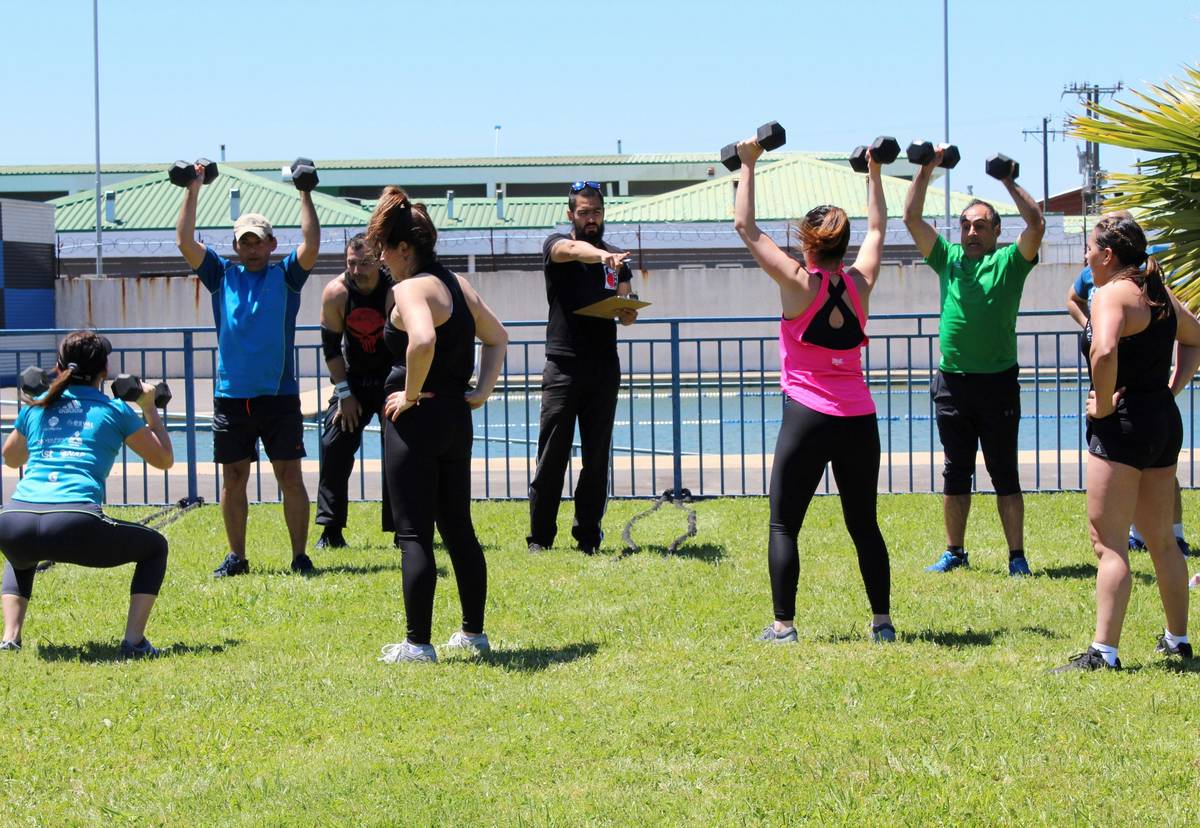
Most fitness programs fail the moment you step off the treadmill and into the wild. You’re strong in the gym—but can you carry your gear uphill for miles? Can you stabilize your core while crossing a slippery log? Indoor routines don’t prepare you for real terrain, unpredictable weather, or sudden physical demands. That’s where fitness classes packages on outdoor change everything.
Why Traditional Fitness Falls Short in Survival Scenarios
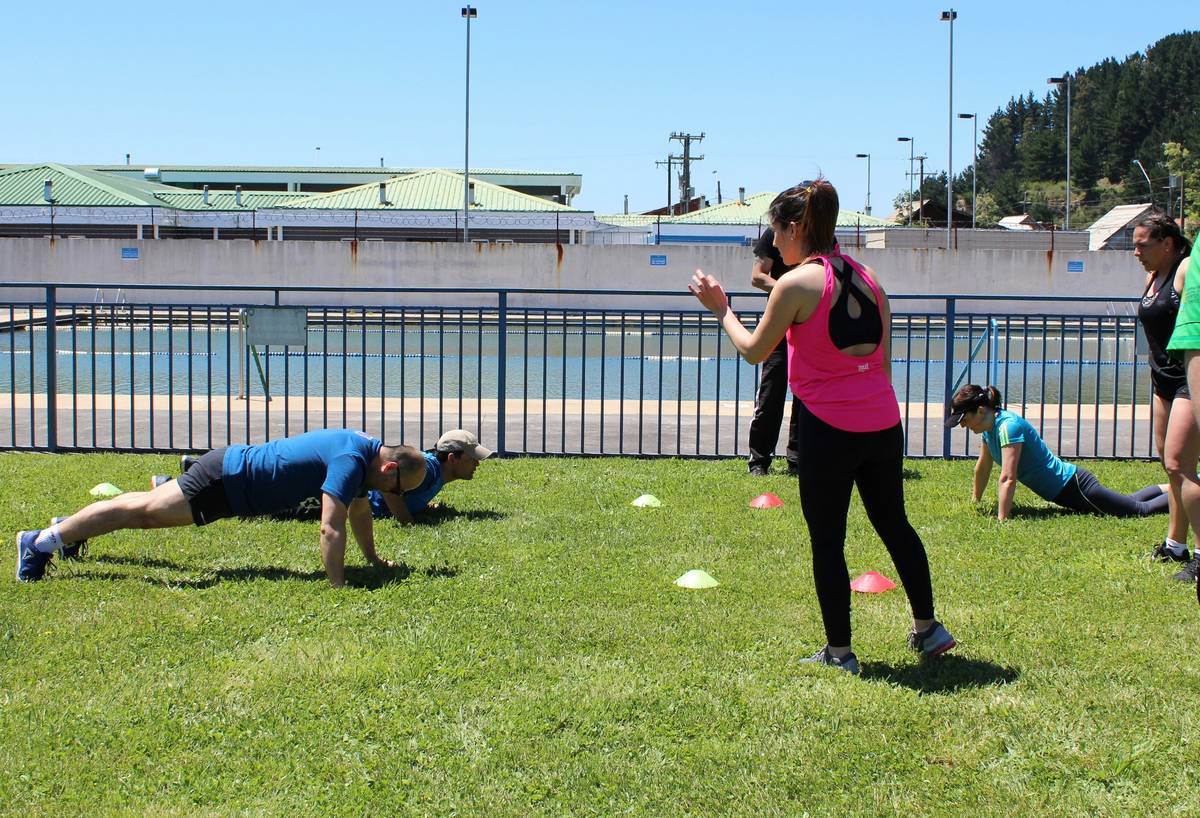
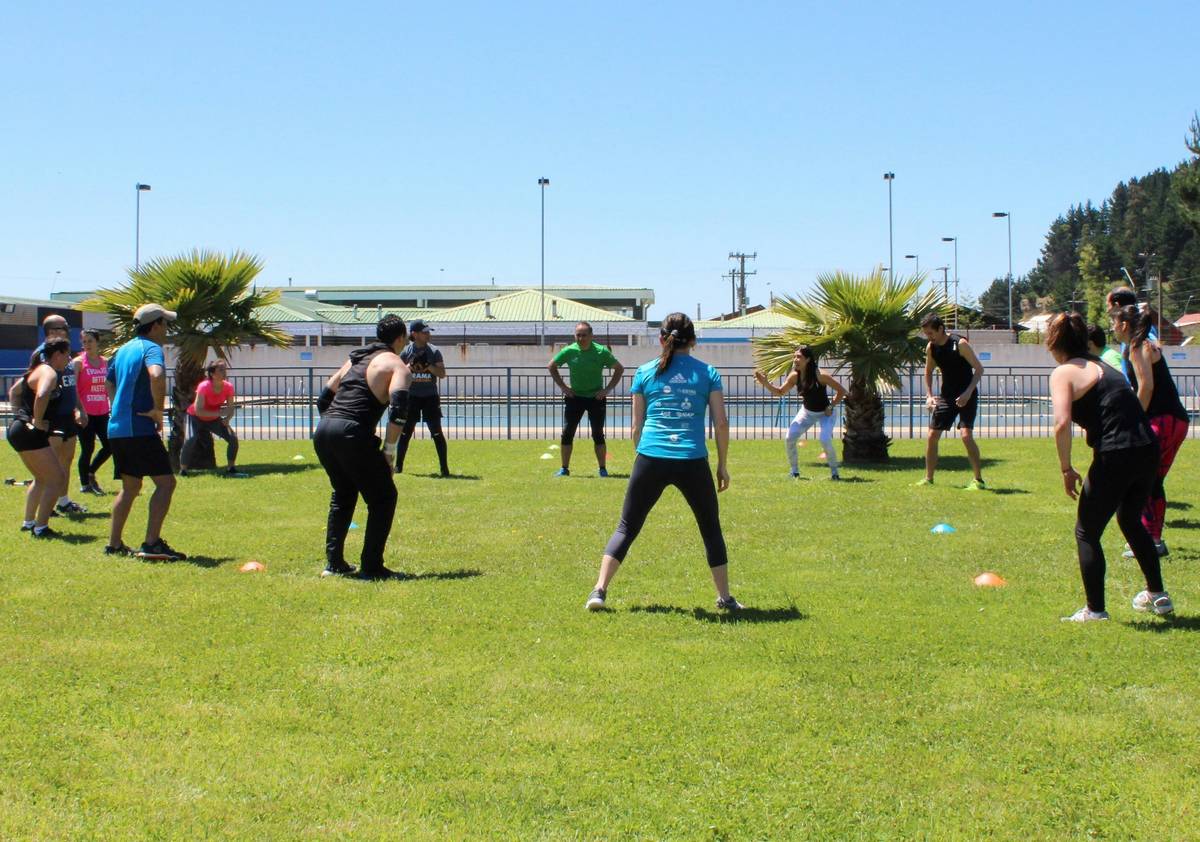
Gym workouts isolate muscles. Nature doesn’t. Out there, your quads, shoulders, grip, and nervous system fire together—or you fall. And most commercial “outdoor” classes? They’re glorified boot camps on flat grass—no elevation, no obstacles, no stakes. You sweat, sure. But you don’t adapt.
Survival fitness isn’t about reps. It’s about resilience under load, in chaos, with fatigue. If your training doesn’t simulate that, you’re just playing soldier.
Fitness Classes Packages on Outdoor: Your Step-by-Step Blueprint
Forget one-size-fits-all plans. Real outdoor fitness thrives on variability, exposure, and progressive overload—not just weight, but environmental stress. Here’s how to build it right:
Start With Terrain-Based Movement Drills
Train on uneven ground. Rocks, sand, mud, roots—these force micro-adjustments your body won’t learn on rubber flooring. Begin with barefoot balance walks. Then add weight. Then add speed.
Integrate Load + Instability
A 20-pound pack feels different when you’re scrambling up a slick ravine than when you’re walking laps. Use sandbags, not dumbbells. Carry logs, not barbells. The wobble is the workout.
Prioritize Recovery Under Duress
Can you nap in rain? Hydrate when exhausted? Stretch with cold fingers? Your recovery protocols must work outside climate-controlled zones. Build them into your sessions—not after.
| Package Tier | Duration | Core Focus | Weekly Sessions | Price (USD) |
|---|---|---|---|---|
| Trail Starter | 4 weeks | Foundational mobility + hill navigation | 2 | $199 |
| Wilderness Builder | 8 weeks | Load-bearing endurance + obstacle negotiation | 3 | $379 |
| Survival Operator | 12 weeks | All-weather resilience + emergency movement drills | 4 + 1 overnight | $649 |
Track Functional Metrics—Not Just Weight
Ditch the scale. Measure vertical climb time. Water-carrying distance. Core hold on unstable surfaces. These predict real-world performance better than any BMI chart ever could.
The Industry Secret No One Talks About
Here’s what boutique studios won’t tell you: Most outdoor fitness instructors have never spent a night alone in the backcountry. They teach “survival” moves they’ve only seen on Instagram reels. Real survival fitness comes from people who’ve gotten lost, hypothermic, or forced to improvise shelter—and lived to refine the protocol.
At sromknee.com, our lead coaches are former SAR (Search & Rescue) volunteers and wilderness medics. We don’t simulate emergencies—we design drills based on actual field reports. That’s why our fitness classes packages on outdoor include decision-fatigue scenarios: “Your water filter fails at mile 8. Now what?” Physical strength matters—but only if your brain works under stress.
Frequently Asked Questions
Are outdoor fitness classes suitable for beginners?
Yes—if structured properly. Start with low-elevation, dry-condition sessions. Avoid complex terrain until basic stability is mastered. Our Trail Starter tier is built exactly for this.
What gear do I need for outdoor fitness packages?
Minimalist to start: trail runners, moisture-wicking layers, a 10L pack, and a collapsible water vessel. No fancy gadgets. Over-gearing kills adaptability.
How often should I train outdoors vs. indoors?
Aim for 70% outdoor, 30% indoor—if your goal is survival readiness. Use indoor sessions only for rehab, mobility, or extreme weather days. Nature is the ultimate trainer.