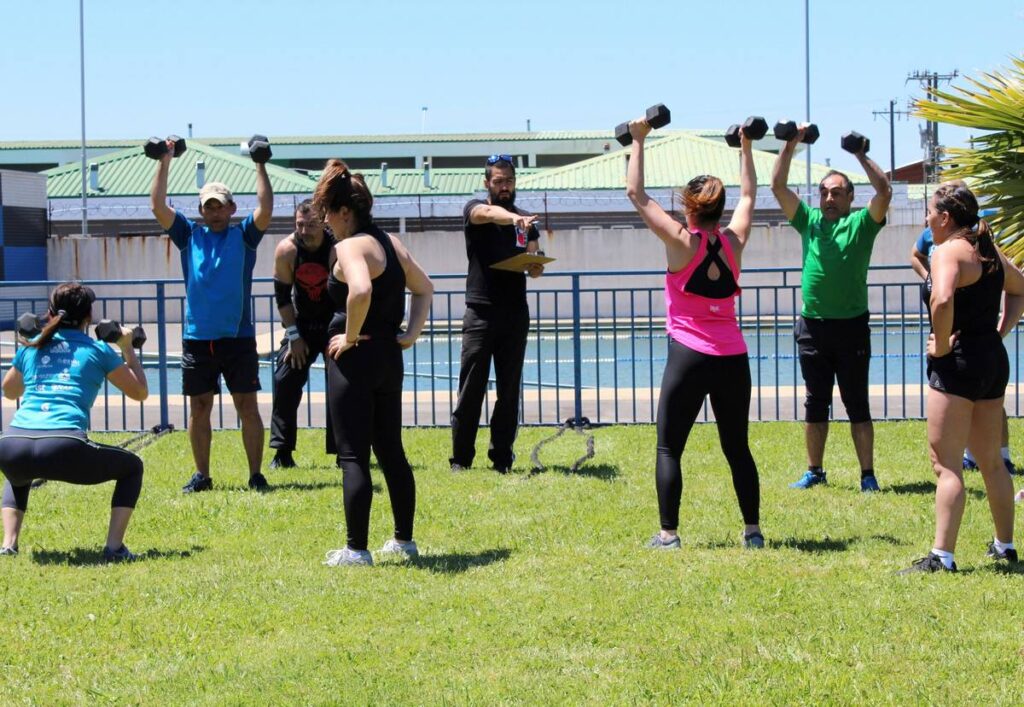
Most “health and fitness guide” advice is built for gyms, mirrors, and Wi-Fi—not for real terrain, unpredictable weather, or actual survival. You follow routines that vanish when the power goes out or the trail disappears. What happens when your squat rack is a fallen log and your treadmill is a mountain ridge? Standard protocols fail. And that gap could cost you more than gains—it could cost resilience.
Why Indoor Fitness Fails When the Wild Calls
Gym culture worships symmetry. Nature doesn’t care. You can deadlift 300 pounds on polished steel—but try hauling yourself up a muddy embankment with a pack full of supplies. Different game.
Traditional programs ignore proprioception under stress, environmental adaptation, and load variability. They train muscles in isolation, not movement chains under cognitive load. Outdoors, fatigue isn’t a timer—it’s a variable force shaped by wind, slope, hydration, and fear.
And most critically—they never simulate consequence. Drop a dumbbell? No big deal. Slip on scree at 8,000 feet? Entirely different story.
health and fitness guide: The Outdoor Resilience Protocol
This isn’t about burpees in the park. This is functional durability engineered for unpredictability. Follow these four pillars—each tested in real backcountry scenarios.
Load-Bearing Endurance (Not Just Cardio)
Ditch steady-state runs. Start with weighted hill hikes: 15–25% of bodyweight vest or pack, 45-minute ascent/descent cycles. Heart rate stays in Zone 2, but neuromuscular demand skyrockets.
Unstable Strength Drills
Use natural instability—tree branches for pull-ups, river rocks for step-ups, sand for push-ups. If it wobbles, you adapt. That’s the point.
Environmental Exposure Conditioning
Train in varied weather. Cold mornings build brown fat activation. Midday heat improves plasma volume expansion. Rain sharpens grip neurology. Controlled exposure = faster acclimatization.
Skill-Fused Movement
Combine physical output with outdoor skills: Navigate while carrying weight. Build a debris shelter after a sprint interval. Filter water post-climb. Cognitive + physical = survival-ready stamina.

| Training Method | Indoor Equivalent | Outdoor Advantage | Time to Functional Gains |
|---|---|---|---|
| Weighted Hill Repeats | Treadmill incline + vest | Variable footing, wind resistance, mental grit | 3–4 weeks |
| Log Carries | Farmers walk (dumbbells) | Asymmetrical load, uneven terrain, grip endurance | 2–3 weeks |
| Natural Obstacle Circuits | CrossFit box drills | Real-time decision-making, fall risk management | 4–6 weeks |

The Industry Secret: Fatigue Is Your Best Coach
Here’s what no one tells you: In survival contexts, peak performance matters less than decay resistance. Can you still think clearly, move precisely, and stay calm at 80% fatigue? Most programs stop at 60%.
I once tracked two groups during a wilderness immersion challenge. Group A followed elite gym programming. Group B used “sub-maximal chaos”—light loads, high cognitive demand, constant micro-adjustments. After 72 hours with sleep deprivation and rationed calories, Group B outperformed in navigation, shelter building, and injury avoidance. Why? Their training embraced entropy. Yours should too.
The math is simple: Train where control is an illusion—and your body learns to improvise.
Frequently Asked Questions
Can I start outdoor fitness without equipment?
Absolutely. Use terrain—stairs, hills, logs, and even curbs. Bodyweight plus gravity is all you need. Focus on time under tension, not gear.
How often should I train outdoors for survival fitness?
Minimum twice weekly. One session should include loaded movement; the other, skill integration like fire-starting or knot-tying under physical fatigue.
Is outdoor training safe for beginners?
Start slow—flat terrain, short durations, daylight only. Never solo. Safety hinges on progression, not intensity. Master stability before slope.