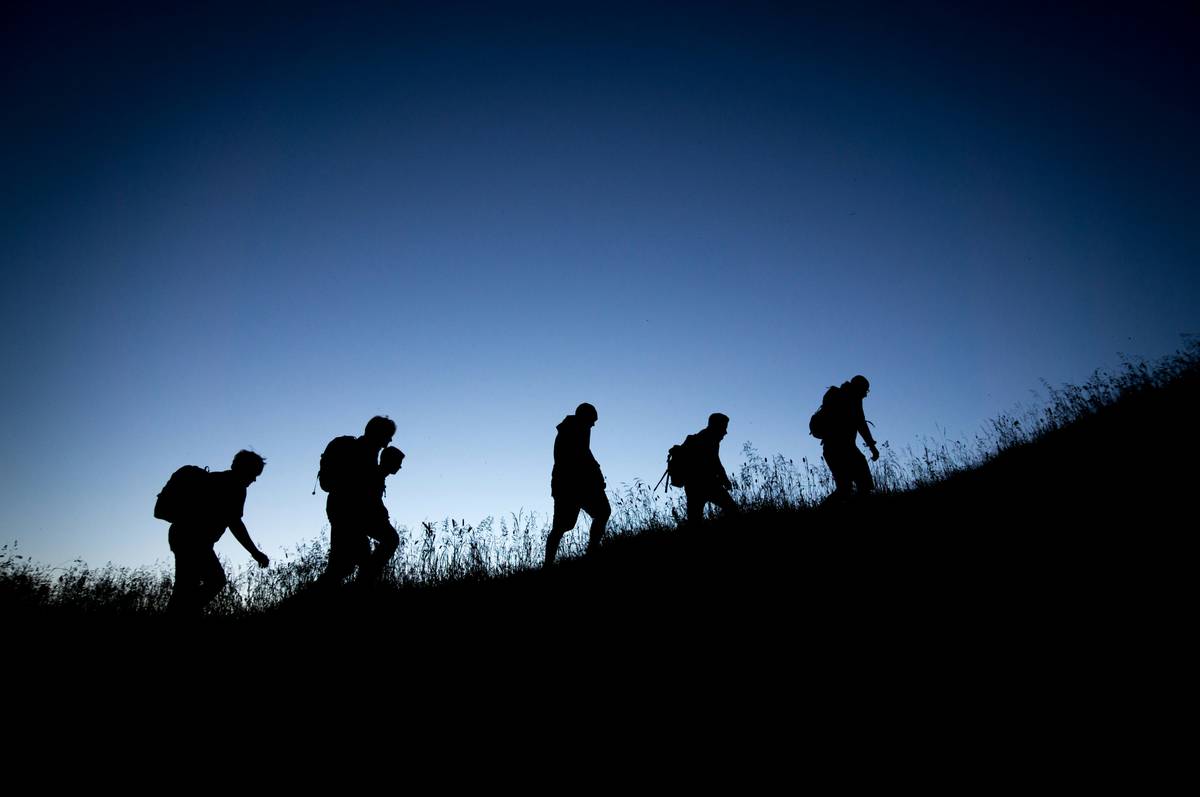
Ever stood at the edge of a trailhead, heart pounding not from exertion but from the terrifying thought: “What if I lead someone into danger—or worse, boredom?” You’re not alone. The dream of guiding others through forests, mountains, and rivers blends passion with purpose—but without the right foundation, it can quickly turn painful. Whether you’re a weekend warrior or a certified trainer eyeing open skies over gym ceilings, this guide delivers the exact steps, hard-won lessons, and insider tactics you need to build a credible, sustainable career as an outdoor fitness guide. We’ll walk through everything from certifications to client trust, so you avoid the rookie errors that sideline even the most enthusiastic adventurers.
Table of Contents
- Why Becoming an Outdoor Guide Matters in Health & Wellness
- Step-by-Step Path to Launch Your Guiding Career
- Best Practices for Safe, Engaging Outdoor Sessions
- Real-World Success: Case Studies That Work
- Frequently Asked Questions
Key Takeaways
- You need formal certifications (like Wilderness First Responder) before leading groups—no exceptions.
- “Fitness” outdoors isn’t just calisthenics; it’s environmental awareness, risk assessment, and adaptive coaching.
- Building trust starts before the hike—with clear communication, consent forms, and transparency about your limits.
- Local regulations vary; always verify land-use rules with agencies like the U.S. Forest Service.
- Your niche (e.g., trail-running strength, rock-wall mobility) makes you memorable—not generic “outdoor workouts.”
Why Becoming an Outdoor Guide Matters in Health & Wellness
The global wellness economy now exceeds $1.5 trillion, with nature-based fitness surging post-pandemic (Global Wellness Institute). But here’s the catch: outdoor guiding isn’t just about scenic squats. It merges physical training with ecological literacy, mental resilience, and emergency preparedness. Missteps can lead to injury, liability, or eroded client confidence—fast.
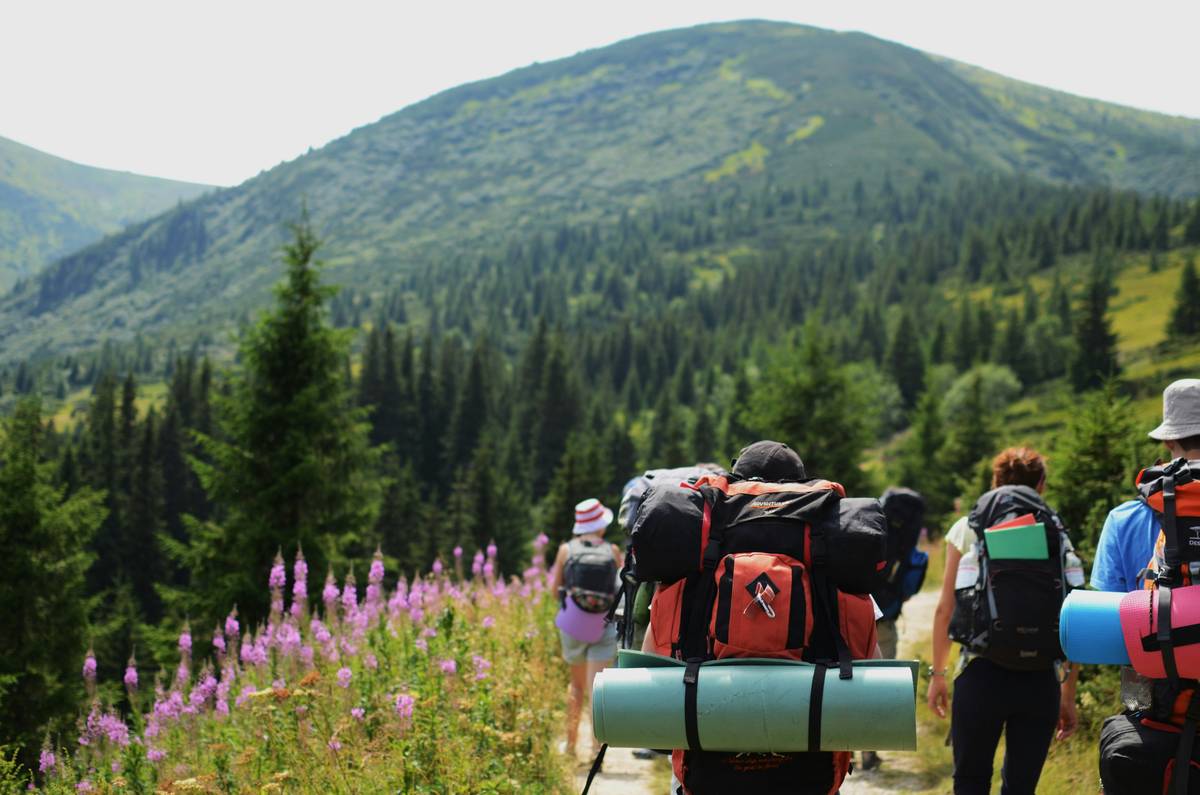
I once led a sunrise mobility session near Boulder Creek without checking recent flash flood alerts. We were fine, but a sudden storm forced a frantic retreat—soaking gear, spooked clients, and zero repeat bookings. Lesson learned: weather isn’t ambiance; it’s operational data. Never wing it.
Step-by-Step Path to Launch Your Guiding Career
1. Get Certified (Non-Negotiable)
Start with CPR/AED + Wilderness First Responder (WFR)—the gold standard for remote settings. Organizations like NOLS offer intensive 8–10 day courses covering trauma response, evacuation protocols, and environmental ethics. No WFR? Most parks and insurers won’t let you guide.
2. Define Your Niche Within Outdoor Fitness
“Outdoor guide” is too broad. Are you specializing in functional strength using logs and rocks? Trail-running endurance intervals? Yoga-meets-navigation sessions? Specificity builds authority. My pivot to “alpine mobility for hikers” doubled my bookings within six months.
3. Understand Legal & Land-Use Requirements
Permits are mandatory on federal lands (e.g., National Parks via Recreation.gov). Even state forests often require commercial use permits. Ignorance isn’t bliss—it’s a $5,000 fine.
4. Build Client Trust Through Transparency
Share your credentials upfront. Use intake forms that disclose medical history and fitness levels. Link to your About Us page so clients see your background before booking. Trust is your currency.
Best Practices for Safe, Engaging Outdoor Sessions
- Scout every location solo first. Note hazards: unstable terrain, poison ivy, cell dead zones.
- Always carry a satellite communicator (like Garmin inReach)—not just a phone.
- Never skip the “plan B.” Rain? Heatwave? Have backup drills (e.g., shaded core circuits).
- Avoid this terrible tip: “Just follow what feels good.” Nature doesn’t care about feelings—only facts. Hydration needs, elevation gain, and heart rate zones matter more than vibes.
Real-World Success: Case Studies That Work
In 2023, a Colorado-based guide named Lena reframed her offering from “outdoor bootcamp” to “Wilderness Resilience Training”—blending interval sprints with navigation drills and cold-water immersion. She required all clients to complete a pre-hike WFR basics module (via free American Red Cross resources). Result? 92% client retention, zero incidents, and a feature in Outside Magazine.
Compare that to uncredentialed operators offering “adventure yoga” on unstable cliffs—several faced lawsuits after falls. Credentials aren’t bureaucracy; they’re your shield.
Frequently Asked Questions
Do I need liability insurance to become an outdoor guide?
Yes. Most venues and clients require proof of general liability coverage ($1M+). Providers like NEXT Insurance offer policies tailored to fitness professionals.
Can I start guiding without prior coaching experience?
Technically yes—but ethically, no. Combine fitness certifications (NASM, ACE) with wilderness training. Real expertise prevents harm.
How much do outdoor fitness guides earn?
Hourly rates range from $50–$150, depending on location, specialty, and group size. Niche skills (e.g., avalanche-awareness integrated workouts) command premiums.
Is there demand outside national parks?
Absolutely. Urban greenbelts, community forests, and even private ranches host guided sessions—check local ordinances and partner with land trusts.
What’s the biggest mistake new guides make?
Overpromising. Saying “any fitness level welcome” then pushing burpees on beginners breeds distrust. Be honest about prerequisites.
Where can I learn more about local regulations?
Contact your regional Bureau of Land Management (BLM) office or visit Recreation.gov. Always verify before booking clients.
Turning your love for trails into a trusted profession isn’t about charisma—it’s about competence wrapped in humility. Start small, certify relentlessly, and never stop scouting. Ready to build your legacy beyond the gym walls? Contact us to discuss how SROMKNEE can support your journey—whether through mentorship or co-guided pilot programs. And remember: the best guides don’t just show the path; they ensure everyone returns stronger, safer, and smiling.
We respect your privacy—review our full Privacy Policy before sharing personal details.