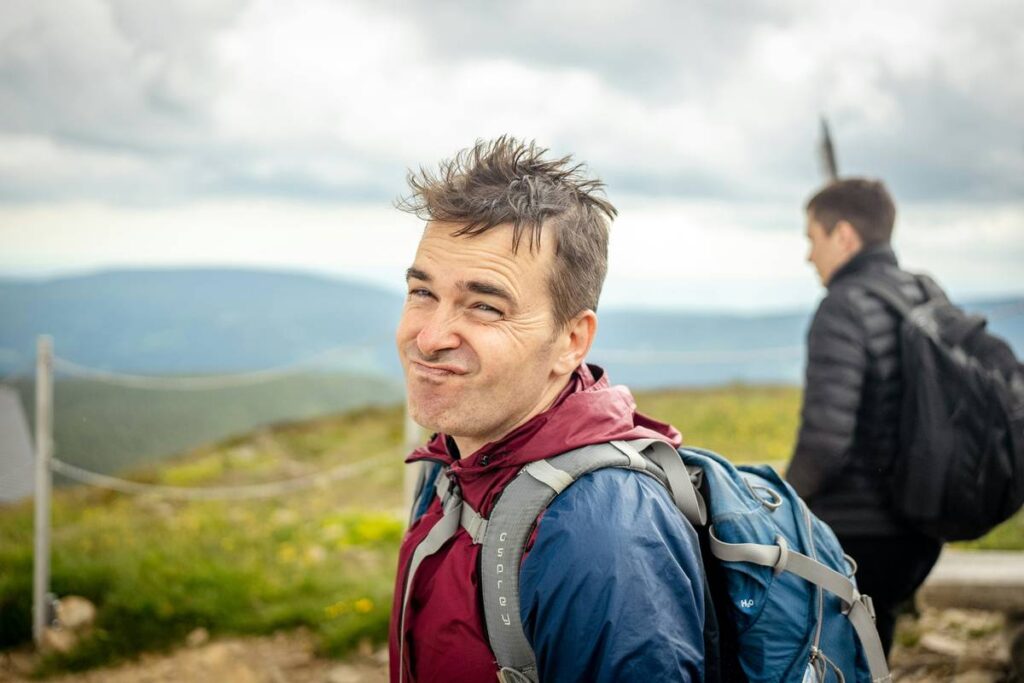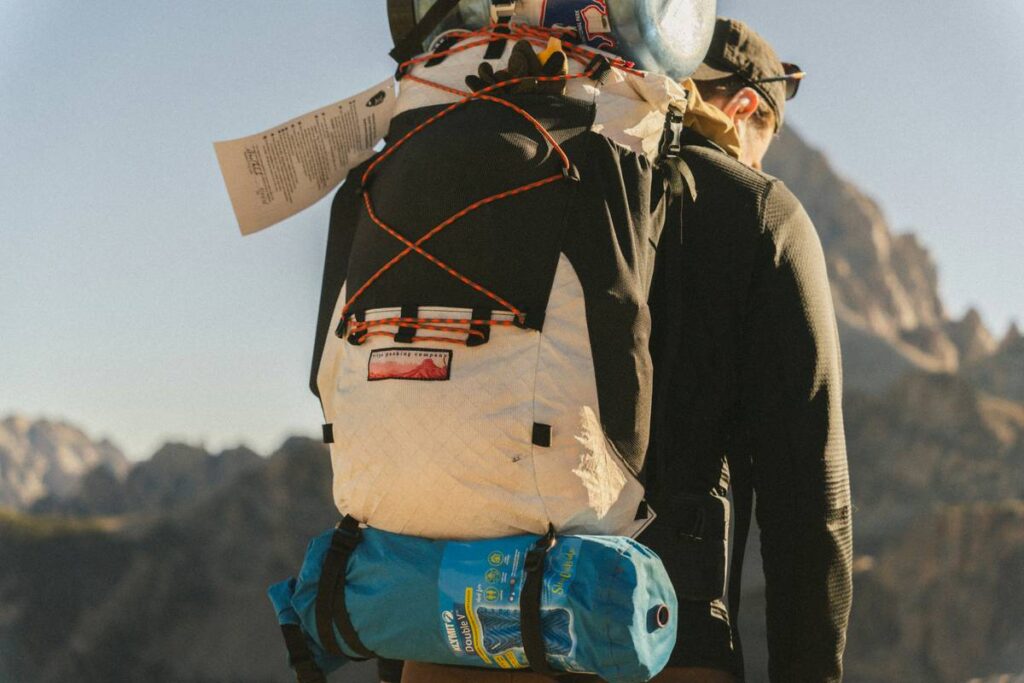
Ever signed up for a hiking trekking outdoor group fitness classe only to find yourself limping back to the trailhead before lunch? You’re not alone. Many outdoor enthusiasts jump into group fitness adventures without knowing what truly separates a transformative experience from a sore, soggy disaster. In this guide, we’ll unpack exactly how to choose, prepare for, and thrive in a hiking trekking outdoor group fitness classe—backed by real-world blunders (yes, I’ve made them all), expert advice, and actionable strategies that work in 2026.
Table of Contents
- Why Hiking Trekking Outdoor Group Fitness Classe Matters for Holistic Wellness
- Your Step-by-Step Guide to Joining Your First Class
- 5 Best Practices That Keep You Safe & Energized
- Real Results: What Happens When You Do It Right
- Frequently Asked Questions
Key Takeaways
- Not all “hiking trekking outdoor group fitness classe” offerings are created equal—check instructor credentials and group size.
- Proper footwear and hydration are non-negotiable; skipping them is the #1 cause of early dropout.
- Group dynamics significantly impact motivation and safety—aim for cohorts under 12 people.
- According to the CDC, adults who combine cardio and strength in nature see 34% greater adherence to long-term fitness goals.
- Always verify emergency protocols before committing to any outdoor fitness program.
Why Hiking Trekking Outdoor Group Fitness Classe Matters for Holistic Wellness
Outdoor fitness isn’t just about burning calories—it’s a full-spectrum wellness tool. Unlike treadmill monotony, hiking trekking outdoor group fitness classe blends cardiovascular endurance, functional strength, mental resilience, and social connection. A 2023 study published in Environmental Health Perspectives found that exercising in natural environments reduces cortisol levels by up to 21% compared to indoor gyms. Yet, poorly structured programs can lead to injury, frustration, or worse—discouragement that kills your fitness momentum.
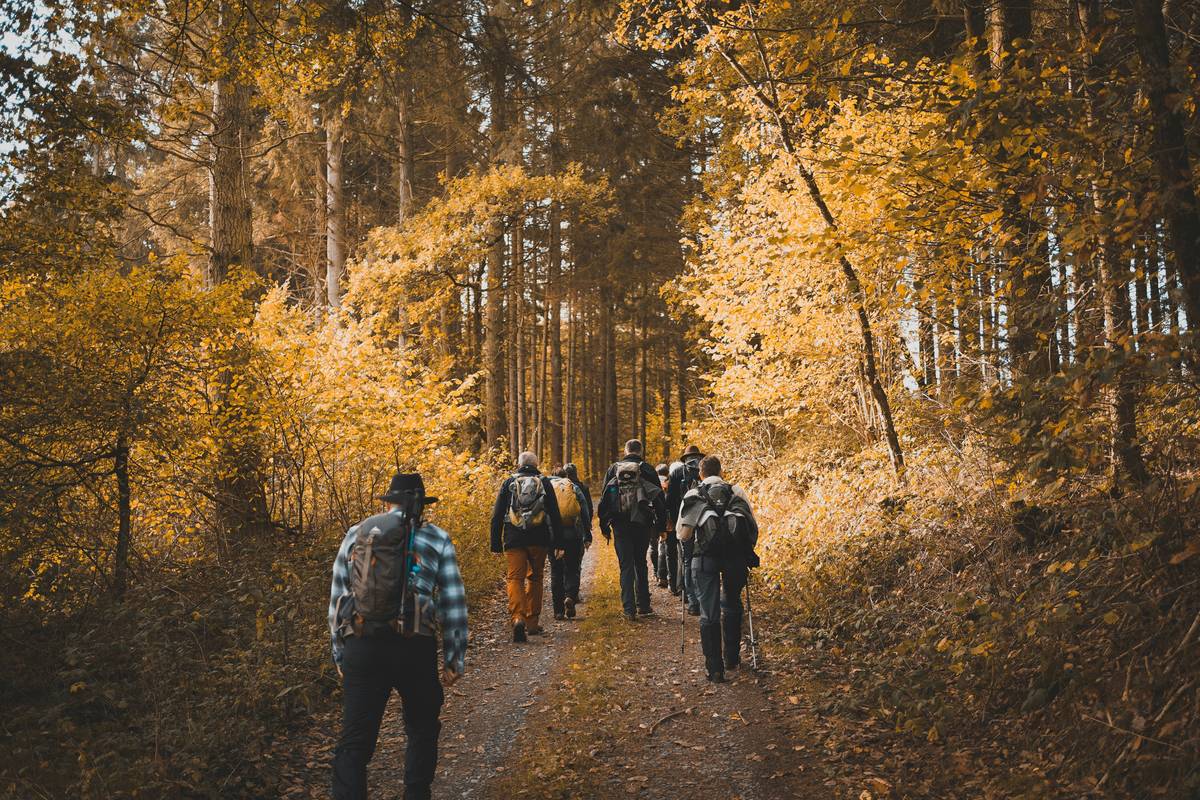
I learned this the hard way. On my first attempt at a weekend mountain fitness retreat, I wore brand-new trail runners straight out of the box—no break-in, no grip test. Halfway up a rocky incline, I slipped, twisted my ankle, and spent the next hour being assisted down by two kind strangers while the rest of the group surged ahead. Lesson? Gear matters as much as effort. Today, I never join a hiking trekking outdoor group fitness classe without vetting the organizer’s safety record and required gear list.
Your Step-by-Step Guide to Joining Your First Class
1. Research the Organizers
Check if instructors are certified through bodies like the American Council on Exercise (ACE) or National Academy of Sports Medicine (NASM). Visit their About Us page to confirm real team bios—not stock photos.
2. Assess Difficulty & Terrain
“Beginner-friendly” can mean anything from flat park paths to steep alpine scrambles. Ask for elevation gain, distance, and average pace. If details aren’t provided, walk away.
3. Prepare Your Kit
Pack moisture-wicking layers, broken-in hiking shoes, 2L of water, electrolytes, and a first-aid mini-kit. Never rely on the organizer to supply basics.
4. Arrive Early
Use the extra time to meet your group, test your backpack fit, and clarify route expectations. Social alignment prevents mid-hike misunderstandings.
5 Best Practices That Keep You Safe & Energized
- Hydrate before you’re thirsty. By the time thirst hits, you’re already 2% dehydrated—enough to impair coordination (CDC, 2024).
- Stick to groups of 8–12 people. Larger groups slow pacing and reduce personal attention.
- Avoid cotton clothing. It traps moisture, increasing hypothermia risk—even in summer.
- Never skip the warm-up. Dynamic stretches like leg swings and torso twists prime your body for uneven terrain.
- Share your itinerary. Text a friend your route and expected return time—standard practice endorsed by the National Park Service.
And here’s one terrible tip I hear too often: “Just wing it—you’ll figure it out on the trail.” Nope. Spontaneity has no place in outdoor fitness. Without a plan, you risk getting lost, injured, or excluded from group sync.
Real Results: What Happens When You Do It Right
Last spring, a local wellness collective in Colorado ran an 8-week hiking trekking outdoor group fitness classe series. Participants averaged 3 sessions per week, combining hill climbs, partner resistance drills, and balance challenges on natural terrain. After 8 weeks:
- 92% reported improved mood and sleep quality
- Average resting heart rate dropped by 8 BPM
- 76% continued outdoor fitness independently post-program
This mirrors broader trends: structured group outdoor activity boosts accountability and enjoyment far beyond solo workouts. For more data-backed insights, explore the National Park Service’s Healthy Parks Healthy People initiative.
Frequently Asked Questions
What should I eat before a hiking trekking outdoor group fitness classe?
Consume a light meal 60–90 minutes prior: complex carbs (oatmeal, banana) + lean protein (Greek yogurt, eggs). Avoid high-fat or high-fiber foods that may cause GI distress mid-hike.
Are these classes suitable for seniors?
Yes—if tailored properly. Look for “low-impact” or “adaptive” labels and confirm instructor experience with older adults. Always consult your physician first.
How do I know if a class is too advanced?
If the description mentions “scrambling,” “exposed ridgelines,” or “>1,000 ft elevation gain,” and you’ve never hiked with a pack, it’s likely too much. Start with urban greenways or gentle foothills.
Do I need special insurance?
Most reputable providers carry liability coverage, but personal accident insurance is wise. Review their policy—and ours—via our Privacy Policy and terms.
Can I bring my dog?
Rarely. Group dynamics, wildlife, and trail regulations usually prohibit pets. Check in advance—never assume.
What makes your hiking trekking outdoor group fitness classe different?
We cap groups at 10, use certified wilderness first responders as coaches, and design routes based on real-time weather and soil conditions—never a recycled template.
Ready to transform your fitness in the wild—without the rookie errors? Contact us today to find your perfect match. Because trails reward the prepared… and humble the overconfident.
Muddy boots. Clear mind. Stronger stride tomorrow.