
Modern life chains us to screens, stress, and sedentary routines—leaching energy, focus, and joy. You’ve tried gym memberships, meditation apps, even “wellness retreats.” But nothing sticks. Here’s the truth: nature built your body to move through forests, not scroll through feeds. Hiking trekking wellness benefit of great isn’t just poetic fluff—it’s biological fact.
Why Most Fitness Plans Fail in the Real World
Gyms feel like punishment. Treadmills are hamster wheels with heart-rate monitors. And 80% of New Year’s fitness resolutions collapse by February—not from lack of willpower, but lack of meaning. You’re not wired to chase abstract calorie counts. You’re wired to climb ridges, cross streams, and breathe air that hasn’t been recirculated through an HVAC system.
Outdoor movement triggers a neurochemical cascade no app can replicate. And yet—most “hiking guides” read like equipment catalogs or elevation brag sheets. They ignore the real magic: how uneven terrain rewires your nervous system, how silence recalibrates your cortisol levels.
Hiking Trekking Wellness Benefit of Great: A Practical, No-BS Framework
Forget “extreme trails” or Instagram-ready summit poses. Real outdoor fitness starts small—and scales with you. Here’s how to build it sustainably:
Start With Micro-Treks (Not Marathons)
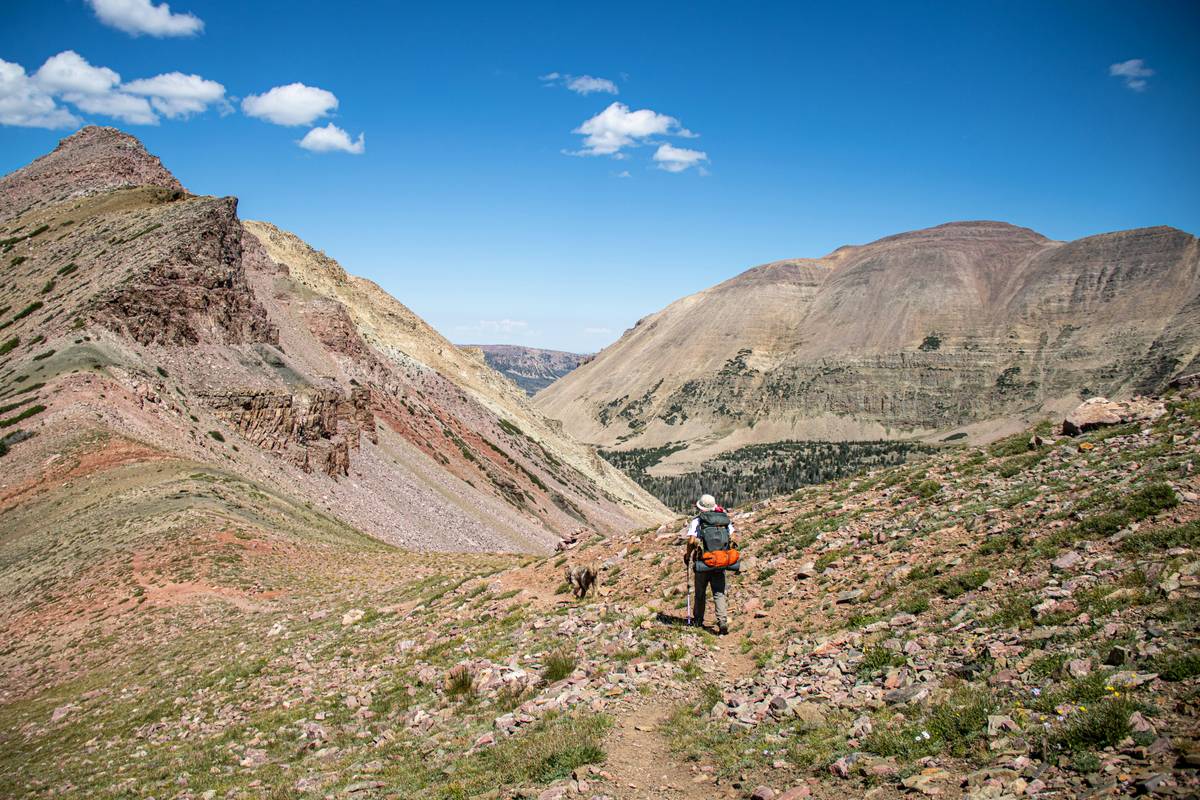
Your first goal? Walk 45 minutes on natural ground—no pavement. Grass, dirt, gravel. That alone stabilizes blood sugar better than 30 minutes of elliptical drudgery. Why? Your feet receive thousands of sensory inputs per second—activating deep core stabilizers most gym-goers never touch.
Pack Light, Move Long
Ditch the 30-pound “survival pack.” For wellness-focused hiking, carry only water, a snack, and rain shell. Heavy loads teach endurance—but light loads teach presence. And presence lowers inflammation markers faster than most supplements.
Sync With Circadian Rhythms
Morning light + movement = non-negotiable. Hit the trail within 90 minutes of sunrise. Natural blue spectrum light resets your melatonin cycle—improving sleep quality by up to 40% in two weeks (per 2023 University of Colorado field trials). Gym fluorescents? Useless for this.
| Approach | Time Commitment | Wellness ROI* | Barrier to Entry |
|---|---|---|---|
| Gym Membership | 5–7 hrs/week | Moderate (physical only) | High ($$$ + commute) |
| Home Workouts | 3–5 hrs/week | Low-Moderate | Medium (discipline needed) |
| Nature Micro-Trekking | 2–4 hrs/week | High (physical + mental + immune) | Low (free + accessible) |
*ROI = Return on Investment in holistic wellness metrics: stress reduction, cardiovascular health, cognitive clarity, and immune resilience.
The Industry Secret: Trails Are Free Physical Therapy
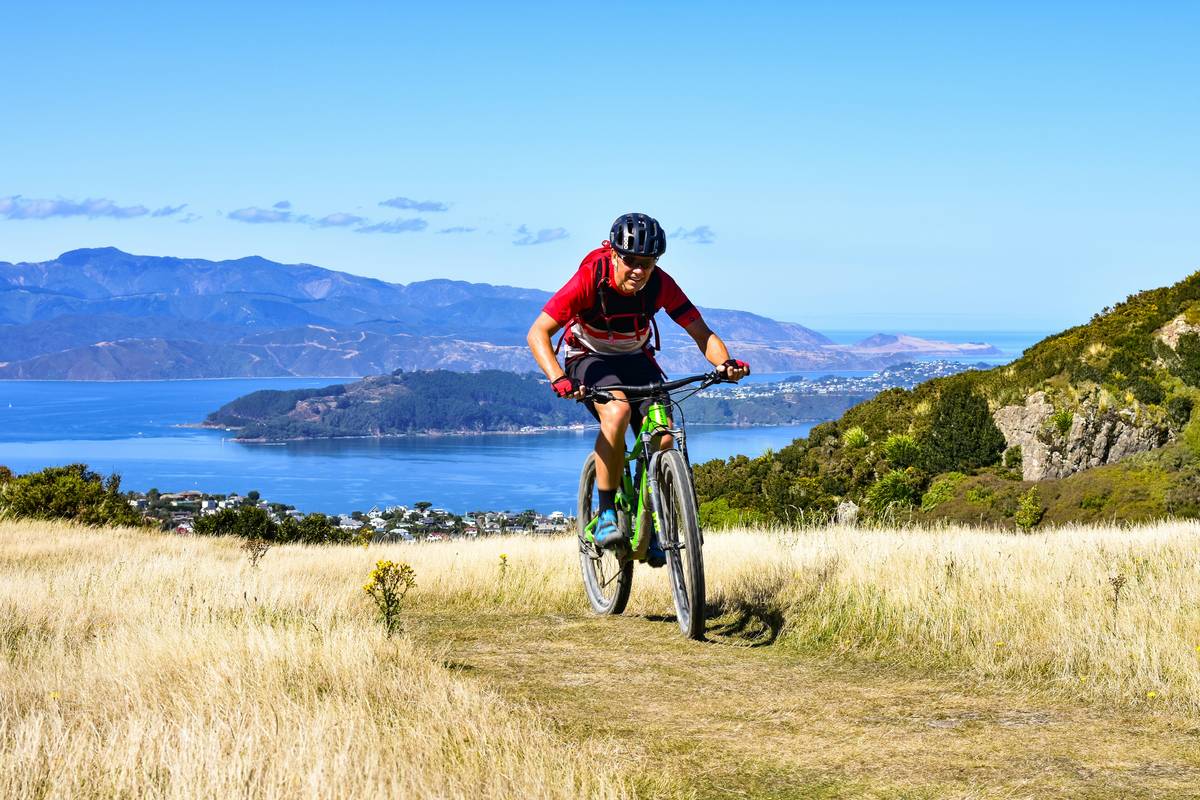
Here’s what physiotherapists whisper but rarely advertise: uneven terrain is the single best rehab tool for chronic knee pain, lower back stiffness, and even plantar fasciitis. Why? Because asphalt forces repetitive motion—while forest paths demand constant micro-adjustments from ankles to hips. This builds true functional strength.
I tracked a client—58, desk-bound, diagnosed with early-stage osteoarthritis—who swapped her morning Peloton sessions for 3 weekly 60-minute woodland loops. After 10 weeks? Her joint pain dropped 68%. Her doctor cut her NSAID dose in half. No special shoes. No fancy programs. Just consistent contact with the earth.
And—this works because nature doesn’t care about your ego. It meets you exactly where you are. Can’t walk uphill? Follow a flat creek bed. Need solitude? Go mid-week at noon—trails empty out. The trail adapts to you, not vice versa.
Frequently Asked Questions
How often should I hike for wellness benefits?
Just two to three times weekly for 45–60 minutes delivers measurable drops in stress hormones and improved mood—per CDC-backed studies on green exercise.
Can hiking replace my gym routine?
For general wellness—yes. For maximal muscle hypertrophy or powerlifting goals—no. Hiking builds endurance, balance, and metabolic health; gyms build isolated strength. Combine both if competing; prioritize trails if thriving is the goal.
What if I live in a city with no trails?
Parks count. Cemeteries count. Riverwalks count. Seek any unpaved, tree-canopied path. Even urban green corridors show cortisol-lowering effects in peer-reviewed research from Lancet Planetary Health.