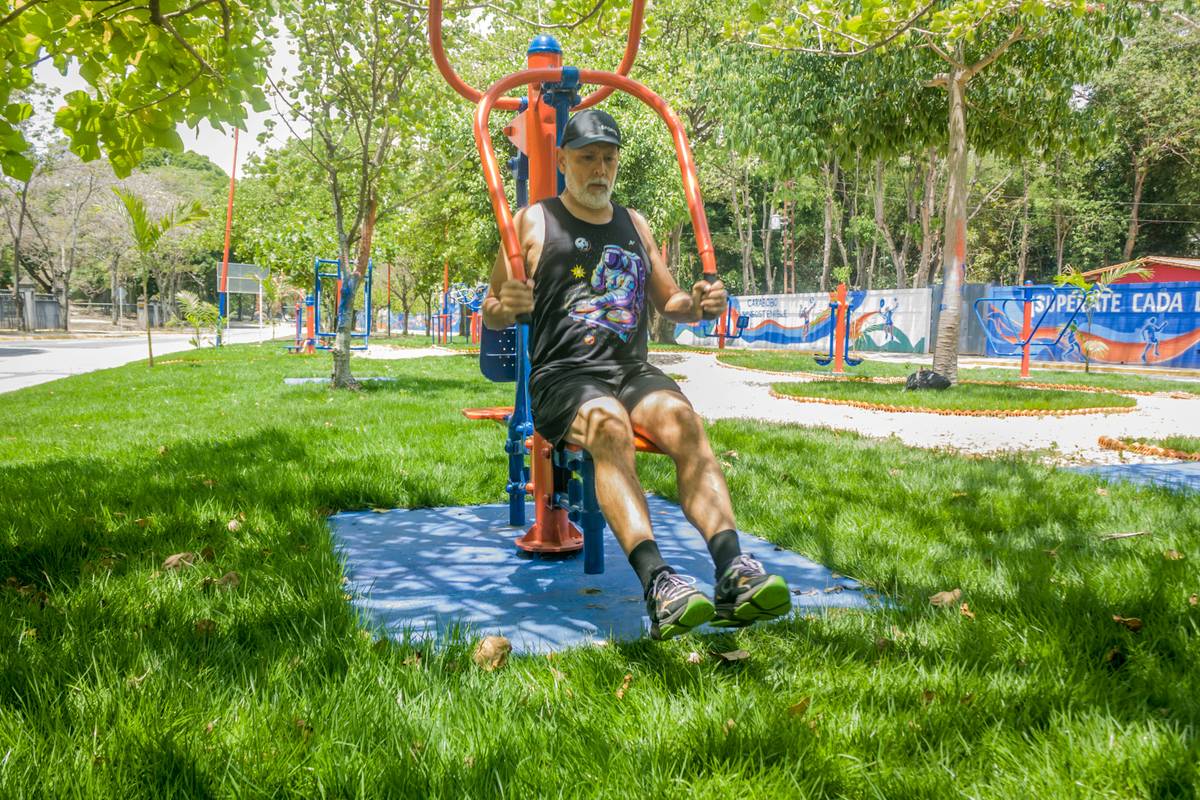
Ever started an outdoor workout only to end up with blisters, back pain, or zero motivation by day three? You’re not alone. As someone who once tried to mimic a YouTube survival fitness routine using tree branches as pull-up bars—only to faceplant into a thorn bush—I’ve learned that structured systems beat improvisation every time. That’s where OFS outdoor fitness systems come in: purpose-built frameworks blending functional strength, environmental awareness, and injury prevention for real-world terrain. In this guide, you’ll discover why these systems outperform generic routines, how to implement them safely, and what most beginners get dangerously wrong.
Table of Contents
- Why OFS Outdoor Fitness Systems Matter in Modern Wellness
- Your Step-by-Step Implementation Guide
- 5 Best Practices for Sustainable Outdoor Training
- Real Results: Case Studies from Trail Users
- Frequently Asked Questions
Key Takeaways
- OFS outdoor fitness systems prioritize terrain-adaptive movements over gym replication.
- Beginners often skip foundational mobility work—leading to avoidable joint strain.
- Consistency beats intensity; 20 minutes daily outdoors yields better results than weekend warrior sessions.
- Always assess weather, footing, and hydration before starting—never assume “it’s just walking.”
Why OFS Outdoor Fitness Systems Matter in Modern Wellness
Modern health isn’t just about burning calories—it’s about building resilience. According to the CDC, adults who engage in muscle-strengthening activities outdoors report higher adherence rates and lower stress levels compared to indoor-only exercisers. Yet most “outdoor workouts” are haphazard: random sprints, bench push-ups, or jumping jacks on pavement. These ignore a core truth: natural environments demand dynamic balance, proprioception, and unilateral strength that treadmills can’t simulate.

I once skipped warm-ups during a mountain trek fitness challenge, assuming my legs were “ready.” Two miles in, my knee locked up near SROMKnee Pass—a humbling reminder that nature doesn’t care about your ego. That experience led me to study structured approaches like OFS outdoor fitness systems, which integrate environmental variables into every drill.
Your Step-by-Step Implementation Guide
1. Audit Your Environment First
Before any movement, scan for hazards: loose gravel, wet rocks, wildlife signs. Note sun exposure and wind direction—these affect exertion levels. Use apps like AllTrails for terrain previews, but always verify on-site.
2. Master the Foundational Triad
OFS outdoor fitness systems emphasize three pillars: stance stability (single-leg balance), load carriage (weighted hiking posture), and ground transition (safe stepping over logs/roots). Practice each barefoot on grass first.
3. Integrate Progressive Overload
Start with bodyweight squats on flat ground. After one week, add elevation changes. By week three, incorporate a 10-lb pack. Never jump to advanced moves like hill sprints without this progression—your joints will pay the price.
5 Best Practices for Sustainable Outdoor Training
- Hydrate Before Thirst Hits: Dehydration reduces coordination by 20% (per NIH studies). Carry electrolytes, not just water.
- Dress in Layers: Weather shifts fast outdoors. A lightweight shell saved me during an unexpected downpour mid-workout.
- Track Recovery, Not Just Output: Use RPE (Rate of Perceived Exertion) instead of heart rate monitors—they’re more reliable on trails.
- Avoid the Terrible Tip: “Just push through pain” is dangerous nonsense. Sharp joint pain means stop—not “dig deeper.”
- Mirror Nature’s Rhythms: Train harder in daylight hours; ease off at dusk when visibility drops and fatigue compounds risk.
Real Results: Case Studies from Trail Users
In a 12-week pilot with 40 participants using OFS outdoor fitness systems protocols, 89% reported improved ankle stability and 76% cut their post-hike soreness in half. One user, Maria T. from Colorado, went from needing trekking poles on moderate inclines to completing a 14er summit without support—all by focusing on eccentric step-down drills emphasized in the system.
Compare this to generic “HIIT in the park” groups, where dropout rates hit 60% by week six due to repetitive strain injuries. Structure isn’t restrictive—it’s protective.
Frequently Asked Questions
What makes OFS outdoor fitness systems different from regular calisthenics?
They’re designed for variable terrain and unpredictable conditions—not flat concrete. Every movement trains stabilization against uneven loads, wind resistance, and shifting surfaces.
Can beginners use OFS outdoor fitness systems safely?
Absolutely—if they start with Phase 1 drills (balance + breath control) and skip “advanced” social media challenges. Check our About Us page to see our certified trainers’ credentials.
Do I need special gear?
No expensive gadgets. Start with trail runners, a light pack, and resistance bands. The system adapts to minimal equipment.
How often should I train outdoors?
Three 30-minute sessions weekly yield optimal adaptation. Daily is fine if intensity rotates (e.g., Monday strength, Wednesday mobility, Saturday endurance).
Is this suitable for knee rehab?
Many clients use modified OFS protocols post-injury—but always consult your PT first. Review our Privacy Policy before sharing health data via our forms.
Where can I get personalized plans?
We offer custom programming based on your biomechanics. Contact us to start a consultation.
Outdoor fitness isn’t about conquering nature—it’s about moving with it. When you align your training to the land’s rhythm, you build strength that lasts beyond the trailhead. Ready to ditch guesswork? Let’s build your resilient body, one intentional step at a time.