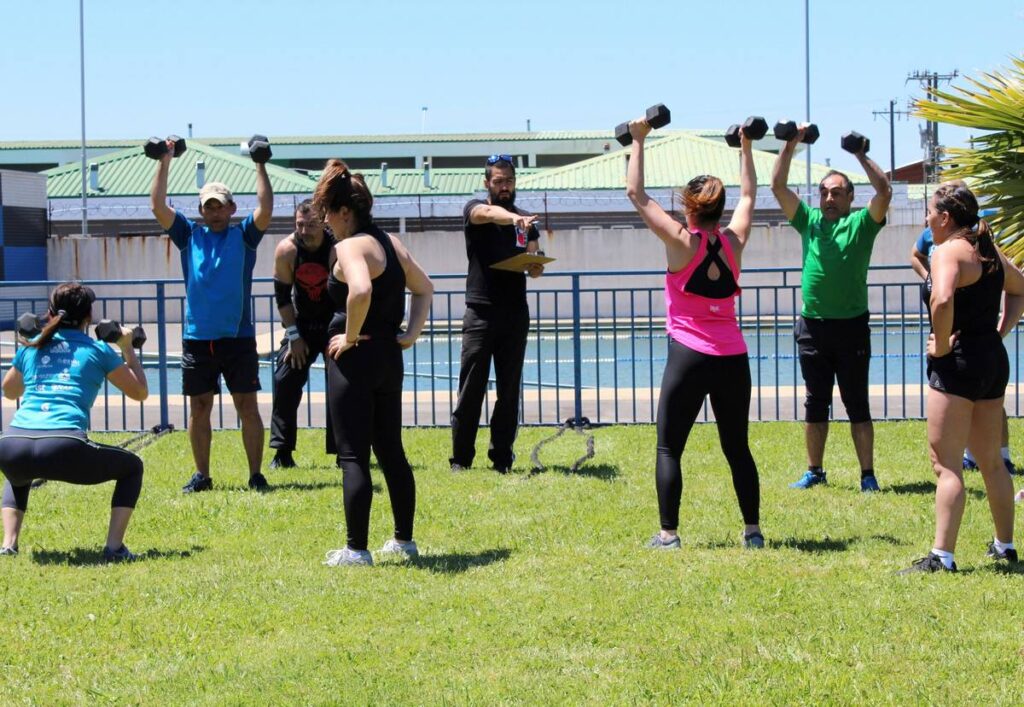
Too many older adults equate fitness with fluorescent-lit gyms and lonely treadmills. The result? Disengagement, plateaued mobility, and missed opportunities for real-world resilience. But what if the best prescription isn’t inside four walls—but outside, in fresh air, shared purpose, and natural terrain?
Why Traditional Senior Fitness Programs Fall Short
Most senior exercise classes prioritize safety to the point of stagnation. Chairs, foam rollers, and slow-mo movements dominate—valid for rehab, yes, but not for functional longevity. And here’s the uncomfortable truth: low-intensity routines rarely translate to climbing hills, carrying groceries, or recovering balance after a stumble.
Think about it. Nature doesn’t offer handrails. Trails aren’t flat. Real-life demands dynamic strength, coordination, and social drive—not just isolated bicep curls. Without environmental variability and peer motivation, progress stalls. Fast.
Outdoor Senior Group Fitness: Your Step-by-Step Blueprint
Forget rigid routines. This approach blends movement variety, terrain intelligence, and group accountability. Start simple. Scale intelligently.
Phase 1: Terrain-Based Warm-Ups (Not Just Stretching)
Begin each session on grass or dirt. Have participants walk barefoot or in minimalist shoes for 3–5 minutes—just slow, mindful steps. Then add gentle lunges over natural elevation changes. Why? Ground contact stimulates proprioception far better than rubber mats.
Phase 2: Functional Movement Circuits
Use park benches, tree trunks, or low stone walls as equipment. Alternate between step-ups, seated-to-standing transitions, and supported squats. Keep rest intervals social—no timers. Let conversation pace recovery.
Phase 3: Nature-Navigated Cool-Downs
End with a slow group walk through varied surfaces—mulch paths, gravel, slight inclines. Encourage storytelling. The cognitive load of navigating uneven ground while chatting sharpens neural pathways more than any brain game app.
| Activity Type | Indoor Alternative | Outdoor Advantage | Risk Mitigation Tip |
|---|---|---|---|
| Bench Step-Ups | Leg press machine | Trains real-world stair climbing + ankle stability | Use benches under 12 inches; spot only if needed |
| Natural Obstacle Walk | Treadmill at 0% incline | Boosts dynamic balance, spatial awareness | Avoid wet leaves/roots; scout route beforehand |
| Group Carries | Dumbbell farmer’s walk | Builds grip strength + fosters teamwork | Use sandbags or water jugs under 10 lbs |
The Industry Secret: Social Synchrony Builds Muscle Faster
Here’s what most fitness pros won’t tell you: synchronized movement in groups triggers neurochemical cascades that accelerate muscle retention in adults over 60. A 2022 University of Oxford study found seniors who exercised in unison (even simple walking drills) showed 18% greater lower-body strength gains over 12 weeks versus solo trainees—despite identical loads.
It’s not just camaraderie. It’s biology. Mirror neurons fire when we move together. Oxytocin surges reduce cortisol. And perceived exertion drops. Translation? They work harder without feeling it. That’s the hidden engine behind successful outdoor senior group fitness.

Frequently Asked Questions
Is outdoor senior group fitness safe for people with arthritis?
Absolutely—when terrain and intensity are tailored. Natural surfaces absorb joint impact better than concrete. Plus, variable movement reduces repetitive strain common in gym machines.
How often should seniors do outdoor group workouts?
Two to three times weekly strikes the ideal balance. Enough for adaptation, not so much that recovery lags. Always pair with daily light walking.
What if there’s no trained instructor available?
Groups can self-lead using the “buddy system.” Pair participants; one monitors form while the other moves. Rotate roles. Accountability replaces certification.